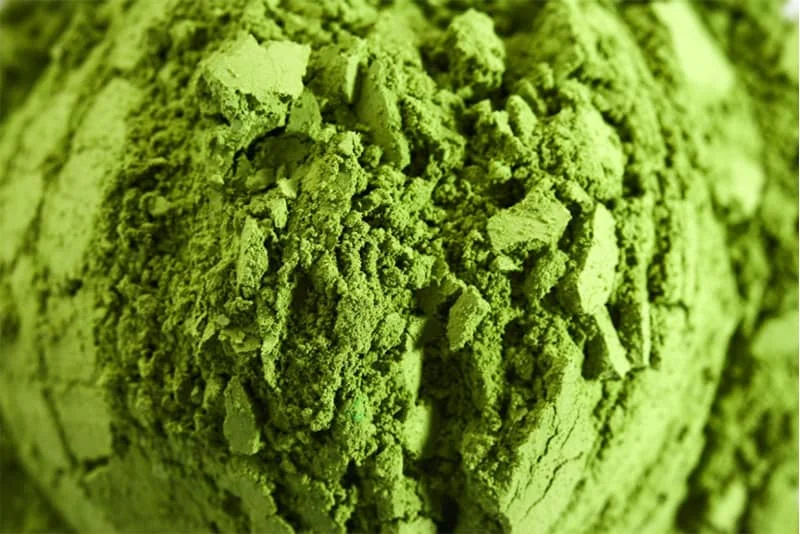
The gap between ceremonial and culinary matcha starts in the field, not the factory. Shade-grown first-flush leaf produces the amino-acid richness and bright chlorophyll that define ceremonial grade. Later harvests bring more catechins, a bolder taste and a lower price.
What changes in production
Ceremonial lots are stone-ground slowly at low temperature to keep particle size down around 5-8 microns. Culinary lots are milled faster for throughput. Both are 100% ground tea leaf - the difference is specification, not authenticity.
When culinary grade is the smarter buy
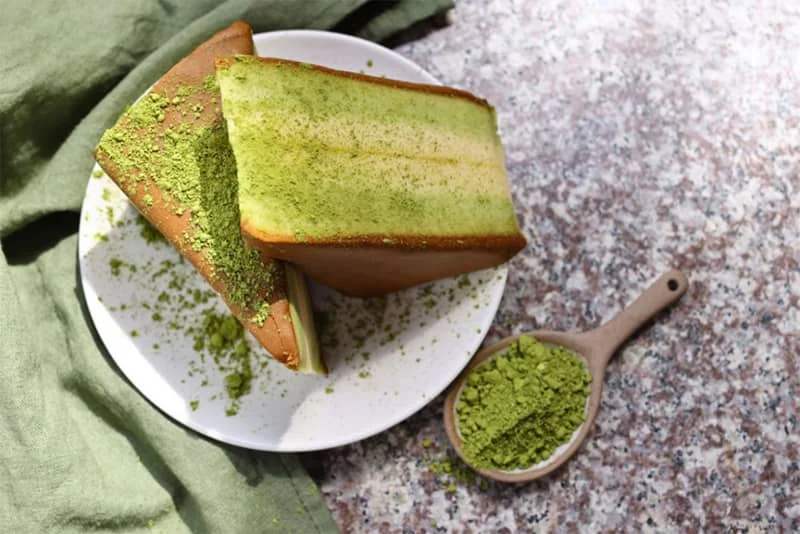
Once milk, sugar, flour or heat enters the recipe, the delicate top notes of ceremonial matcha are lost. Culinary grade gives a stronger, more stable result at a fraction of the cost.
Documentation to request
Ask for a COA per lot, organic transaction certificates where relevant, and a written specification. Our export team provides the full document pack with every shipment.